Wherever Would I Be: Locations and Research

The main location from this story is Lucy’s home in Cicero, IL, which is a suburb located on the west side of Chicago, IL. What we don’t learn in the story is that the house was Grandma Fran’s family home. Luca, her adopted child and Lucy’s adopted father, inherits the home from her. While today the suburb is 88.9% Hispanic or Latino, before redlining, Cicero and the nearby Berwyn and Oak Park were a haven for ethnic Italians (today, the largest concentration lives in Elmwood Park and Melrose Park). This home was where Luca found family and safety for the first time in his life.

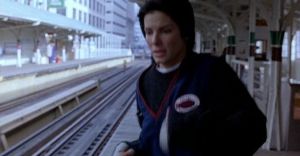
There are a number of locations around the city, some that repeat (like the Chicago Public Library where Lucy works) and a couple that make only one appearance (like the Washington/Wabash CTA platform, which was the filming location of While You Were Sleeping, though it has since been rebuilt).

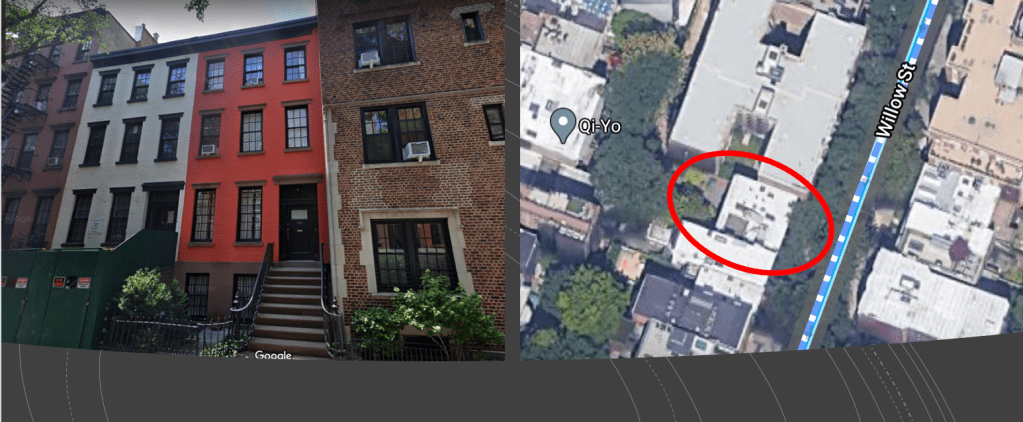
Lucy travels a bit in the book, and while I have been to most of the locations she travels to, I also had to do a lot of research via the keyboard (we were in the middle of a global pandemic at the time of my writing this). I’m so thankful for things like Google Maps street view that allowed me to “walk” around New York City to find the café Lucy sits at while she waits for her brother and the building for her brother’s capstone project (where he gets to design a rooftop for sustainability, shown below). I got to walk around the historic village in North Carolina, Colonial Williamsburg, and find her birth parents’ childhood homes. All of the locations in the book are real – whether I’ve visited them in person or virtually.

Terrance’s capstone building, found thanks to Google Maps street view.

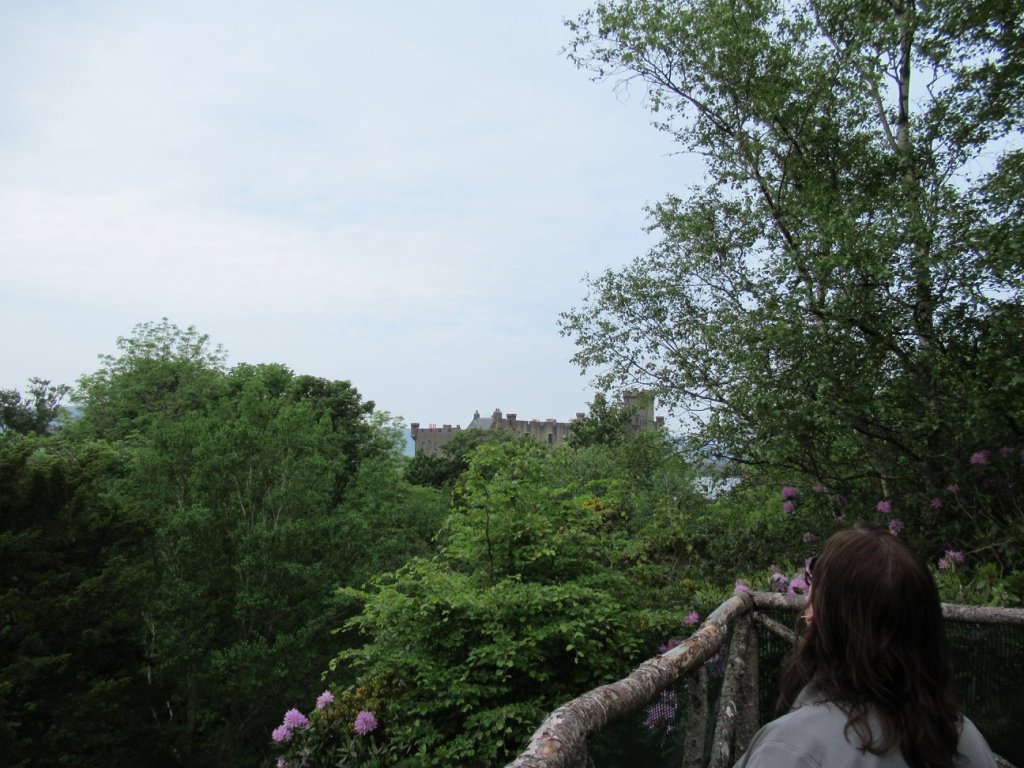
This includes the locations in Scotland. In 2018, I was fortunate enough (after saving up for two and a half years and planning for months) to travel to Scotland and road trip 1200 miles with my bestie. I’ve written previously about my love of Scotland and how it was only a matter of time before it showed up in my writing, and this story turned out to be it. While we did spend time on Isle of Skye and a few other spots mentioned (Dunvegan, Talisker, Loch Ness, Stirling, Culloden), I didn’t get a chance to visit all the places in the story (Edinbane, Fairy Pools – both of which are first up if I ever get the chance to return). But they are all real places you can see – either in person or via Google.

My bestie getting her first glimpse of her ancestral home – Dunvegan Castle

Without the ability to research in this way, I imagine Lucy’s story would have been very different (and existed in a much smaller circle of locations). This goes for historical research, as well – such as the proper clothing for Malcolm to wear in his first appearance or the soldier on Culloden battlefield. Not to mention figuring out the family tree most plausible to end up with Lucy exactly where she is supposed to be.

Engage, Listen, and Show up for Tomorrow

from my work UntitledTown (in anticipation of Danez Smith’s craft talk and keynote reading a few years ago)

In 2014, NPR asked “Where Have All The Poets Gone?” The article was a cry to arms for poets to come back and lead the political charge on the front lines like poets Langston Hughes, Jack Kerouac, and Frederico García Lorca did, stating that, “At its root, poetry is the language of protest.”

After reading this article, I was flabbergasted. I mean, have they not heard of poets like Andrea Gibson or Alex Dang or Guante or Pages Matam? Surely they have not heard of Danez Smith. Because if they had, they wouldn’t be asking where the [political] poets have gone.

While Smith does not see their work as purposely political, they do acknowledge that the act of writing itself is political – especially when someone is “a capital-B Black, capital-Q Queer, HIV-positive, weird, strange, funky, loud American” (PW). To Smith, “[i]t’s the poet’s job to make sure there is a record of what it meant to live, love, fight, rebel and be in their brief time on earth…I write America down. My job is to live and pay attention to other people living around me in order to archive it for whoever may stumble upon it” (Mic 50).

And Smith has done just that with two chapbooks, hands on ya knees and black movie (winner of the Button Poetry Prize), with two collections, [insert] Boy (winner of the Kate Tufts Discovery Award and Lambda Literary Award) and Don’t Call Us Dead (nominated for and finalist of the 2017 National Book Award for Poetry), through their membership of the Dark Noise Collective, and as co-host of a Poetry Foundation and Postloudness sponsored podcast VS with Franny Choi.

Some people may ask – why poetry? Why are we looking to poets to lead the political charge? According to Smith, “I think, but I’m not sure, that poetry is the best way to archive the feeling or emotions of an era. Film can document, music can sing, fiction can tell the tale, but only through poetry have I gained a sense of what it meant to be alive in its most tender and vulnerable ways throughout history. Poetry, at its best, is our collective diary, not our best tool at saying what happened, but our best way of communicating how the happening felt” (Mic 50).

And why Smith? Well, because Smith is someone that we all can learn from.

For one, Smith is authentic and unapologetic. According to one of their mentors, Chris Walker, one should always bring their full self. “For me,” Smith says, “writing through a persona moves me further away from my honesty…I needed to bring my faith, my sexuality, my gender, my race, my every experience into every poem” (Divedapper).

For another, Smith believes that it is more important to engage than to understand. Smith hopes that “we can move all literary writing…to a place where not everybody feels like they need to understand…I don’t need to understand what it is to be a woman to engage in women’s writing. I don’t need to understand how somebody identifies as trans to engage with the joys of trans writing and trans art. I don’t need to understand shit. I just need to engage” (Divedapper).

In addition to being engaged, Smith points out that it is important to know how to listen. “When I read books that are outside of my identity, I tell myself to shut up. I try to take people at their word about their experience. I hope people can engage with the book, but I also hope there are parts of the book that people are a little more puzzled by. I want them to just shush, and listen, and let me talk about this singular black experience for a while. I want them to let me talk about my feelings and not try to tell me about what blackness or whiteness or America is or isn’t” (Divedapper).

And last, just as we need to recognize that we as an audience cannot expect one voice to speak for an entire community (known as tokenism), Smith points out that, “if you recognize that you have some kind of voice, you have to be highly critical of yourself. It’s this balancing act of saying what is necessary for you to say, but also making it clear you are not speaking on behalf of everyone in your community” (Divedapper).

I would never dare ask another individual to teach me about themselves or their life or their history or their lived experiences because it is up to us to educate ourselves. But when someone steps up to the chalkboard (or microphone) and says listen, how can we not? And Smith is asking us to listen. They are asking us to engage and learn and then to teach our own truths. 

Want to know the best piece of advice that Smith can give to any writer? Smith says that they wish they had known that “‘career’ didn’t mean ‘has to be done today.’ Every day is about showing up for tomorrow” (Mic 50).

So take your time, and I’ll see you tomorrow.
Say Cheese!

To say that I hate having my picture taken is the understatement to end all understatements. I’m an introvert. Plus, I don’t like having attention on me (especially prolonged attention). But don’t take this to mean I’m a doormat – I will stand my ground/stand up for myself and others when necessary. I’d just rather be behind a camera than in front of it.

But as a writer who is attempting to establish herself, standing in front of the camera became a necessity. My first book is with a publisher. My second is set to launch in June. And I can’t keep using a selfie I took on a ladies’ night after one friend did my makeup and another did my hair. I officially needed something professional. This was the final piece of the puzzle before I could send off for my final proof of Lucy’s story.

My bean and mini muffin, photographed by Kara Counard.

I knew this day was coming, so when Kara Counard offered up her twenty-minute session deal, I jumped at the chance. I should say that I jumped at the chance again – I did this as a Christmas present for my sister and her family last year…which is to say, I wanted REALLY FABULOUS photographs of them, so it was also a present to myself. I’ve been a fan of Kara’s photography for a long time (I first encountered her through working with UntitledTown). The resulting photos did not disappoint. So when it came time for my own photograph to be taken, I knew I could trust her and her skill.

Photo: Kara Counard, Bloom Photograph

The time flew by. She made me laugh and almost forget how uncomfortable and totally awkward I felt, which is saying quite a lot.

I have, for a long time, been a strong believer that photographs are something to invest money in. Yes, sessions can be costly – but there is a reason for that. Time. Skill. Assurance that the resulting pictures will be something you love for a long time. There’s nothing wrong with pulling out the [smartphone of your choosing] to snap pictures of your kids opening gifts on their birthday, or if you’re out on a hike with your best friend, or if you’re having a gathering of high school friends that you haven’t seen in twenty years. But when it comes to something like a professional headshot, put the phone down.


Photo: Kara Counard, Bloom Photograph

If you are near Green Bay, WI, I cannot say enough good things about Kara and her work. You can find her prices on her website (as well as a plethora of her stunning photographs). If you are interested in a mini-session, follow her on Facebook and keep an eye out for her to post about them (usually around the start of December).

If you don’t have a lot of money for something like this, perhaps reach out to a local college or university and see if there any photography students looking to build their portfolio. NOTE: You should ABSOLUTELY still pay them for their time!! Depending on the student/situation, you might be able to work out a swap. But be fair and understand that their time and skills are still valuable. (After all, think of how it feels when people learn you’re a writer and ask you to read over their work for free.)

Once I had the photos back from Kara, I was able to pick one (for once, it was hard to narrow down because there were so many that I liked!!) and include it on the author page of my book. Then I sent off for the final final proof – just to make sure that all formatting was correct, nothing glaringly wrong. And now – I’m about to place an order for copies to fulfill the Kickstarter pledges. It’s sort of hard to believe I’m on this side of the experience – it feels like only a couple days ago that I made the decision to pursue Kickstarter.

What’s in a Name? Part Two

I thought I would do another “meaning of names” post about Wherever Would I Be, my second book. Names within the story have meaning – not just for me as a writer, but for the characters themselves. Lucy’s father, Luca, even shares this with her – and then she shares the story with her little brother.

So, what’s in a name?

Well, Lucy means light, and Luca means light bringer. He tells her that hearing her name was a sign that he was supposed to bring her home.

Terrance is Lucy’s older brother, though the second adopted into the family. His name means tender and good, qualities that are written into his character.

Next came the twins – Marie (beloved) and Samuel (chosen one). At the start of our story, they have been with the family for five years; they are eight at the start of the story.

And then there is Ciro – dear, sweet Ciro. He, newly eight at the start of the story, has been with the family just over a year. He has had the roughest start to life, and we get to see him still in the process of settling in with the family. His name means sun. As Lucy notes when telling him the meanings of their names, he was the final piece that made their family whole.

Then there’s Mom, Donna. I should note that she and Luca are both of Italian heritage, and that Donna means “woman” in Italian. The original meaning was more “lady of the home” and was considered a title of respect (think also of the use of Don for men). She falls for Luca’s big heart, and he loves her drive and passion.

The surname I chose for the family is Moretti. It is derived from Italian meaning dark hair, as well as the Yiddish word Mordeven, which means worker (or overwork).

As noted in a previous post, Lea’s name (Lea B. Larhann) is from the Gaelic word leabharlann, which means library. Lea not only literally works in a library, she is a champion of sharing knowledge.

Then there’s Shelly Hammond and her parents Harriett and Doug. In the book, she is Lucy’s best friend and is named for my own best friend, Michelle Hammond.

Gettin’ My Nerd On, Bookish Style

There have been several steps to this self-publishing process that have been especially fun for me, and they also happen to be the nerdiest parts of it, too. Go figure. 😉

There are certain childhood dreams that surround becoming a published author. One dream is to walk into my local book shop and get to see my book up on the shelf. Another is to walk into my local library and do the same thing. (I spent a lot of my childhood at the library, something that has persisted into adulthood.)

Thus, when I sat down with my friend, Carol (who is a reference librarian at the college where I work, and a legit magician – I’ve yet to stump her on finding a source, and I’ve asked for some pretty out there things), and we created the LC classification for the book, little me shed a tear. One step closer to living the dream, which you will one day be able to find at PS3609.R54 W547 2023*. 🤓

The Dewey designation was much easier to figure out 🤓:

And to round out the nerdiness, I just submitted my application to register my copyright. 🤓

It’s been a busy couple weeks for me and Lucy. ❤

*If you are nerdy like me and curious about what these classifications mean:

  • PS – These letters designate this book as American Literature within the Library of Congress classification system.
  • 3609 – When it comes to fiction, the four numbers that follow the class letters represent the first letter of the author’s last name. In this case, 3609 = ‘I’.
    • This is specific to works of Fiction. For other classes, the letters classify the topic (such as D = History, DA = History of Great Britain) and the numbers would indicate the subtopic (such as a specific country like Wales, DA700-745, or Scotland, DA750-890).
  • .R54 – This indicates the next three letters of the author’s last name – in this case, ‘rme’. Depending on the name, a library cataloguer may choose a longer designation. (There aren’t many “I” authors, so Carol figured this would suffice.)
  • W547 – This indicates the first four letters of the title – in this case, ‘wher’.
    • If I were to publish another book in the same year with the same starting four letters, we’d take this designation further. If it were published in a different year, then the date of publication would be enough to differentiate between the two books.
  • 2023 – Year of publication.

(I also applied for a Library of Congress Control Number, and once the book is published, I have to send them a copy – which they might add to their collection!! 🤓🤓🤓)

She’s Real!

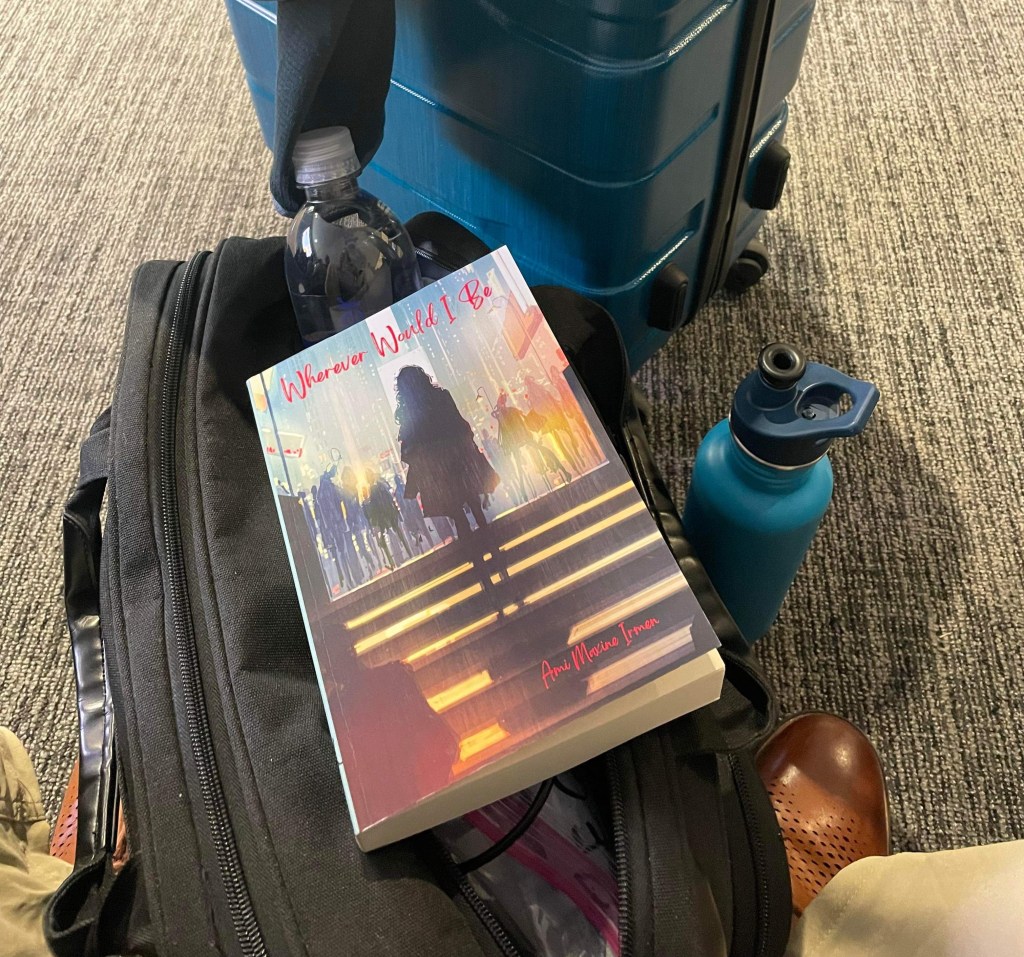
It’s a really strange feeling to be reading a book…and it’s my book…in book format. I wonder if this feeling ever goes away. I hope not.

This whole process has been such a learning experience. I should note that I’m a stubborn, independent person – and I love to learn. So if there is an option to do anything myself, I’m going to learn how (unless it involves putting myself in danger, of course). I should note that the fact my writing buddy did it all himself gave me an extra boost of confidence because, if need be, I could reach out to him for help (and I did).

I opted to go the Amazon route (I know, I know – trust me – if my local bookshop had this service, they would be my first choice), and I sat down with my finished manuscript open on one side of the screen and Amazon’s directions on the other half. I am a fairly tech savvy person, but even so, I feel like the directions were very clear and easy to follow – so if you’re considering this route but nervous about, give it a try. (My one complaint is that I followed their directions for embedding the fonts, and when I uploaded the file, it told me the fonts weren’t embedded. ¯\_(ツ)_/¯)

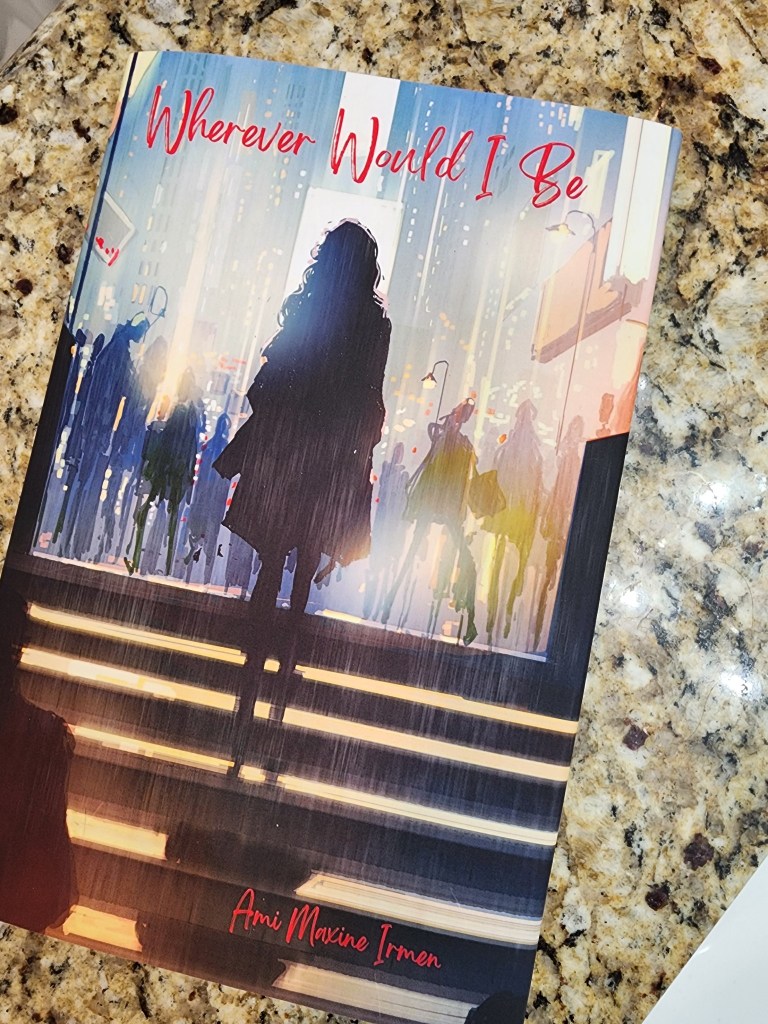
Receiving the printed proof was, of course, thrilling – to hold my book as a book in my own hands. But I’ll be honest that it didn’t feel…quite right. Originally, I opted for the 6×9 size, but once it was in my possession, it just felt big. A bit cumbersome. I spent some time holding and flipping through the books on my shelf, trying to figure out what felt ‘right’, and I settled on 5.25×8, refigured the doc, and sent out for another printed proof, which arrived this week. Bingo. I love it so much more. ❤

I’m not one to write in my books, but I figured this was the easiest way to proofread – so I picked up my red pen and got to work, wondering how long it would take to come across the first typo (because I have proofread this thing SO MANY times – both on screen and printed out). Well, it didn’t take long at all. There was a typo in the first word.

The. First. Word.

But, in my defense, I had played around with drop caps (before ultimately deciding not to use them), and in changing back to regular text, the ‘r’ in wrangling got deleted without my notice. (-‸ლ)

That’ll teach me to play with drop caps.

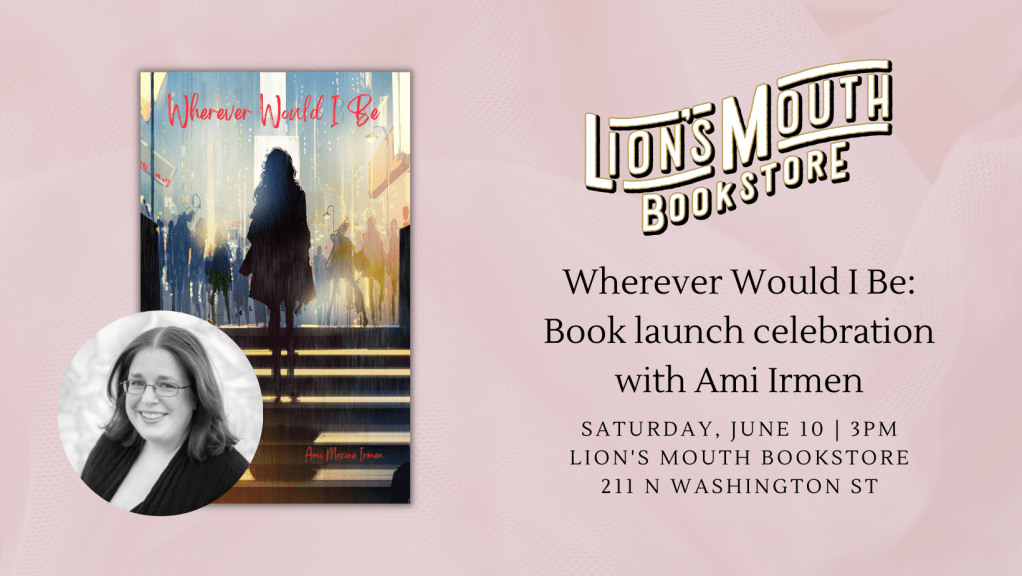
I have about eighty pages left to proof, then it will be time to input the edits into doc, upload, and order a final proof (just to make sure the formatting is right). Then, it’s go time. (Well, more like wait time – wait until the author copies come in that I can send out to my Kickstarter backers, and then more wait time until the launch date on June 6.)

Music to My Ears

Several years ago, I admitted in front of a friend that I didn’t care for the music of a rather popular musician. I didn’t say I hated their stuff. I didn’t say it was bad. I said nothing other than it didn’t resonate with me.

This friend turned to me and said, “I feel sorry for you.”

The comment took me aback for a moment, but then I said, “There’s no reason to be.” I have plenty of music that brings me joy. That can put me in a good mood. That I can listen to when I’m feeling down. That I can sing to when I’m driving and feeling tired.

Music is such a personal thing. It’s a personal taste. What resonates with one person isn’t necessarily going to resonate with another. And that’s ok. There’s no reason to feel sorry for me. I don’t need all music to resonate with me – I just need to find the songs and musicians that do.

I do understand that people get so attached to the things that bring them joy that it can be hard to see how someone else could possibly not get joy from it. I get it because I’ve been there – felt that sinking feeling where you hand over a song, which has become a piece of you, and someone else says, ‘Meh.’ It can feel like a personal attack on our self.

It’s the same with books. I hate recommending books I really love to people because it again feels like, ‘Here’s a little piece of my soul, I hope you like it.’

I’m trying to keep this in mind as I’m about to launch my second book. Not everyone is going to love it. Or like it, for that matter. But that’s ok (I keep telling myself – eventually it will sink in). No one story is for everyone. My stories are not for everyone. My only hope is that people are honest with me about it.

Kickstarter Results

No, I didn’t forget about you all on Friday – I opted to wait a couple days until the Kickstarter finished up this morning before posting again. This has been a big week in my writerly world. I got to hold a physical copy of my own book for the first time! AND my Kickstarter campaign ended at a total that was beyond my wildest dreams! (Over six times my wildest dreams.)

I’m so grateful for every single person who backed this project, and I am so excited (and a bit terrified, honestly, as any writer would be) to get this story into their hands. There is still some work to be done before that happens, though! I am currently about a third of the way through proofreading the printed copy. Once I’m done, I’ll input those edits, do a final check on formatting, and print the final proof before ordering copies for everyone who pledged for a physical copy. I’m hoping to have those in my possession by the start of April so that I can get everything organized to be sent out.

This has been a wild ride, and I’m still in awe over the support this story has gotten. Huge thanks to you all for coming along for the ride. 🙂

Some things I learned from this process:

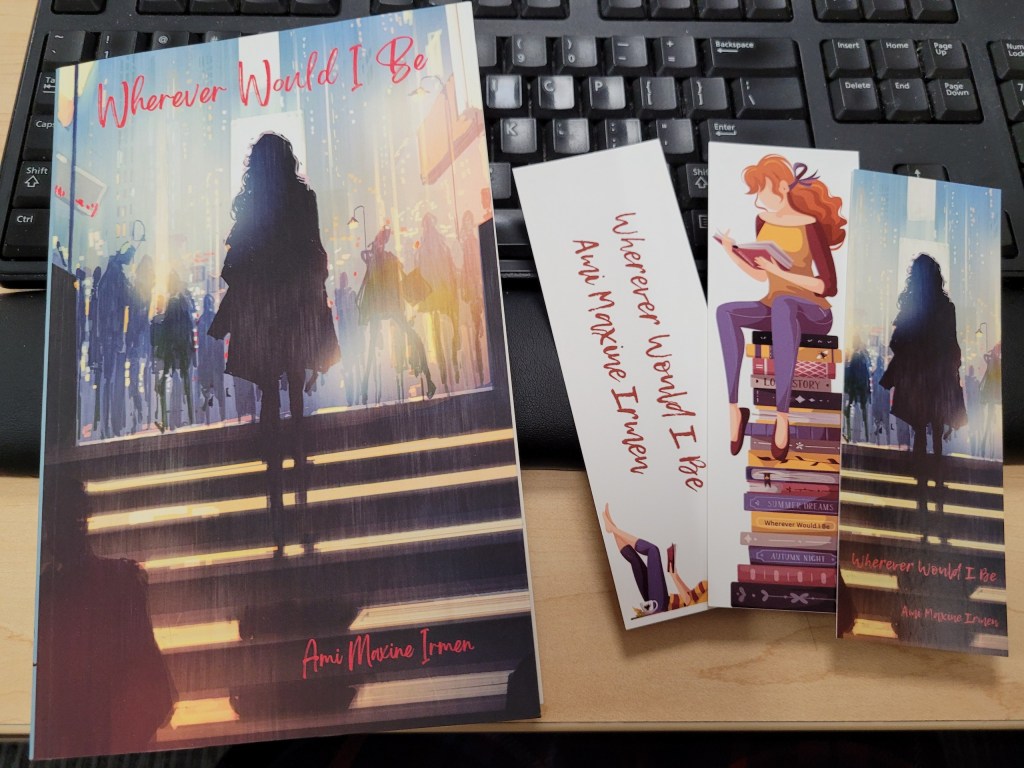
  • Most backers seem to prefer intangible add ons (having a character named after them, naming a pet, etc.) over physical ones (bookmarks, journals, keychains – though of those, bookmarks was the most popular option). (I’d imagine someone who owned/did their own artwork would probably have success with prints, perhaps character art on things like totes, etc.)
  • It’s a great way to reach folks you might not otherwise – I had NO idea there was such a large publishing community on Kickstarter. If I had come up with a list of places to market my book, Kickstarter would not have been anywhere near it. And yet – a quarter of the backers are people I don’ t know. In addition, I was surprised a bit by some of the folks I do know that backed it (not because they aren’t supportive people – just because, again, if I had written up a list of who I thought would have backed this, the list wouldn’t have been very long). Either way, this process has felt like a warm hug.
  • One of the things they tell you when you are learning about goals (i.e. one of the things I discuss with my students about the research pertaining to goal setting) is that you need a realistic timeline. In this case, it was a timeline that once out there, there was no stopping it. Talk about a motivator. 😉 This turned out to be a really great way to hold myself publicly accountable (mostly to not let the imposter syndrome set in and delay the project out of fear). I first told a few friends about this, then my writing group – so I was accountable to get it started. And once it was live, everyone knew. There are legal obligations now. hehe. [averts eyes] It also allowed me to make this book a priority, which is sometimes hard to do when there are so many demands on my time.
  • I set my initial Kickstarter goal low mostly because I wanted to make sure the campaign met it’s funding. I put it where I honestly thought I could meet it. I came up with two stretch goals, figuring I’d need maybe one if I was lucky. Cut to me scrambling to figure out stretch goals. My advice? Be reasonable in your initial goal – but plan more stretch goals than you think you will need. If anything, you’ll be pleasantly surprised when they are reached – but not disappointed if they don’t. (And you won’t have to scramble if things move faster than you expected. Like I had to.)
  • If you are doing this is a way to give your backers access to your book before it launches, make sure you use something other than/in addition to KDP for printing – they don’t allow pre-orders on paperbacks, so you wouldn’t be able to get copies for your people until the book is live. Places like IngramSpark and B&N press do allow you to get copies in advance. Also, I’ve since learned that KDP won’t let you gift an eBook to someone in a country different than your own – so keep that in mind if you are including eBooks as a tier.

This has been such a wonderful experience so far. 10/10 – would recommend.

Childhood Dream Fulfilled

Ever since I signed the contract for my first book (well, ever since childhood – it just started to feel like a real possibility with the contract), I’ve been so excited to hold my book in my hands. My book. In book format. Like a real book. I thought that would have been Alice’s story, but as I’ve learned many times in life, you never know how things will go.

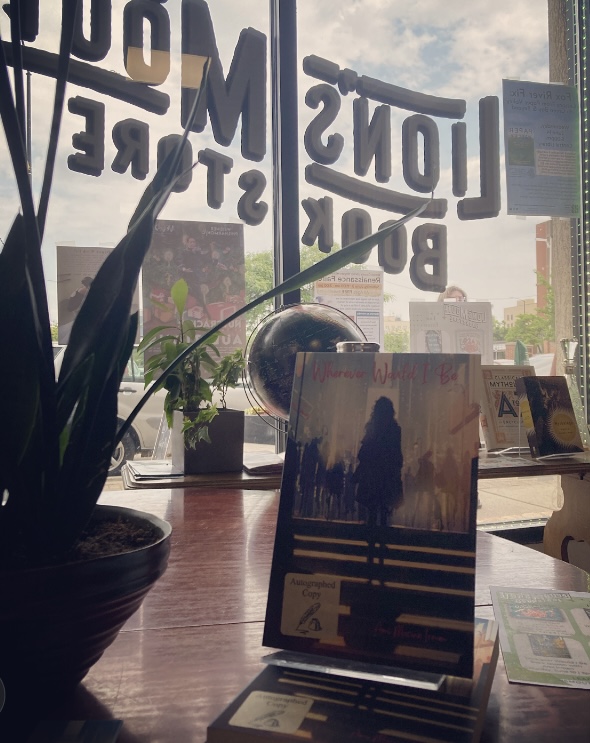
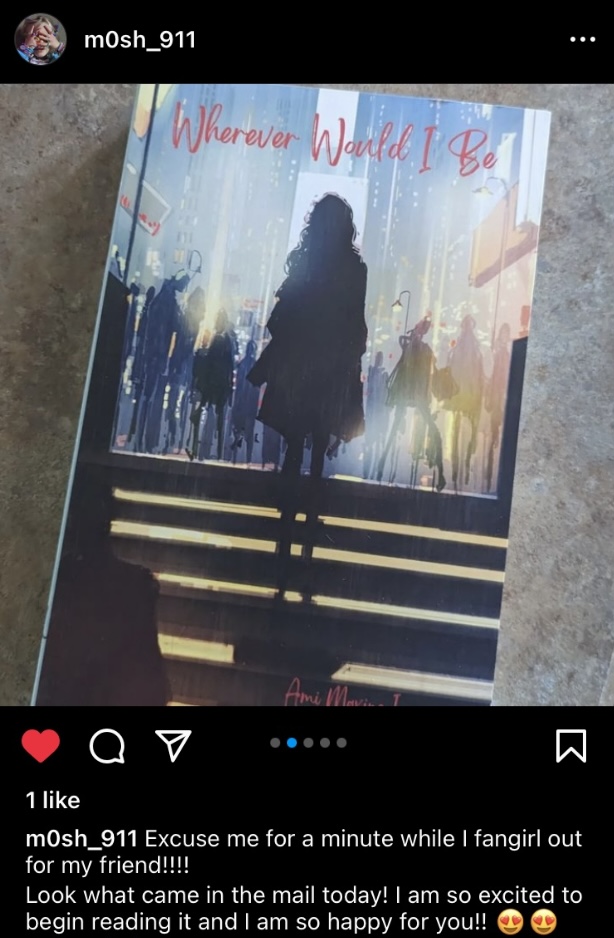
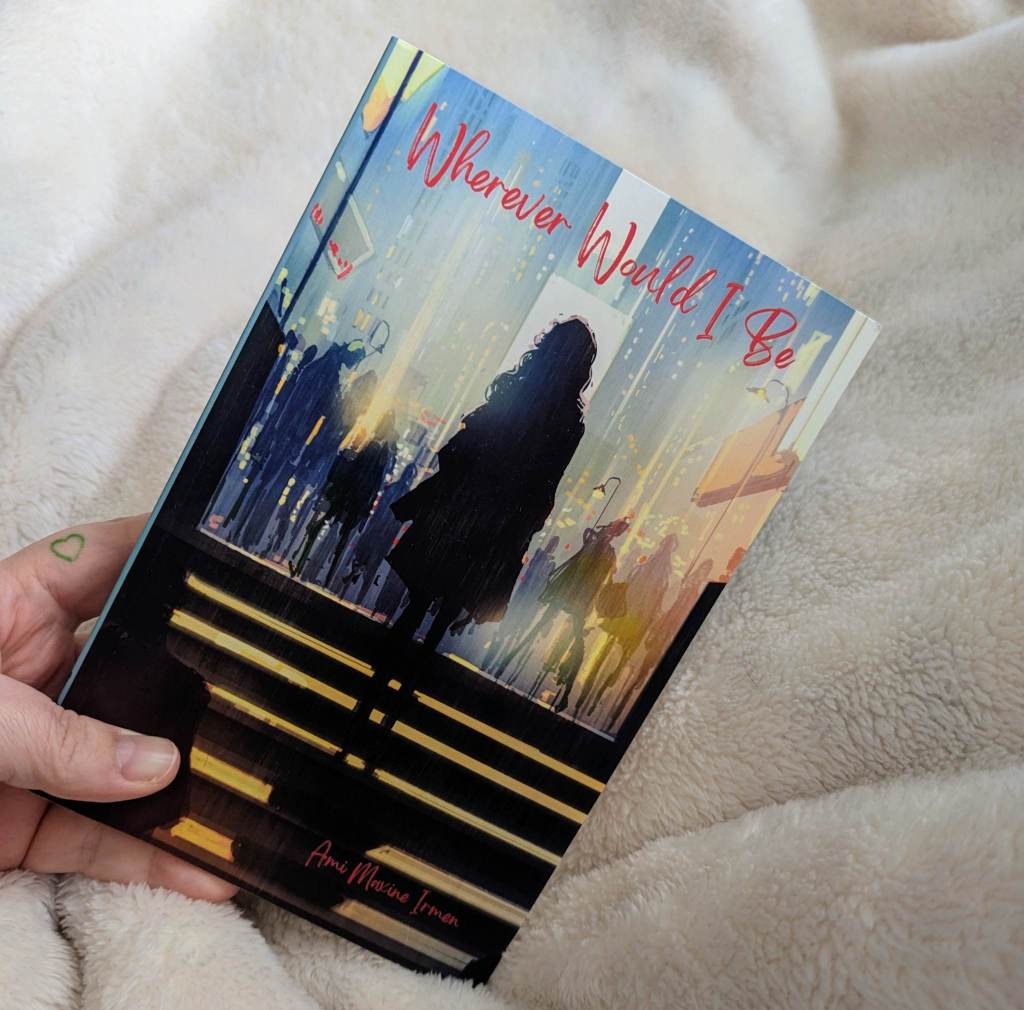
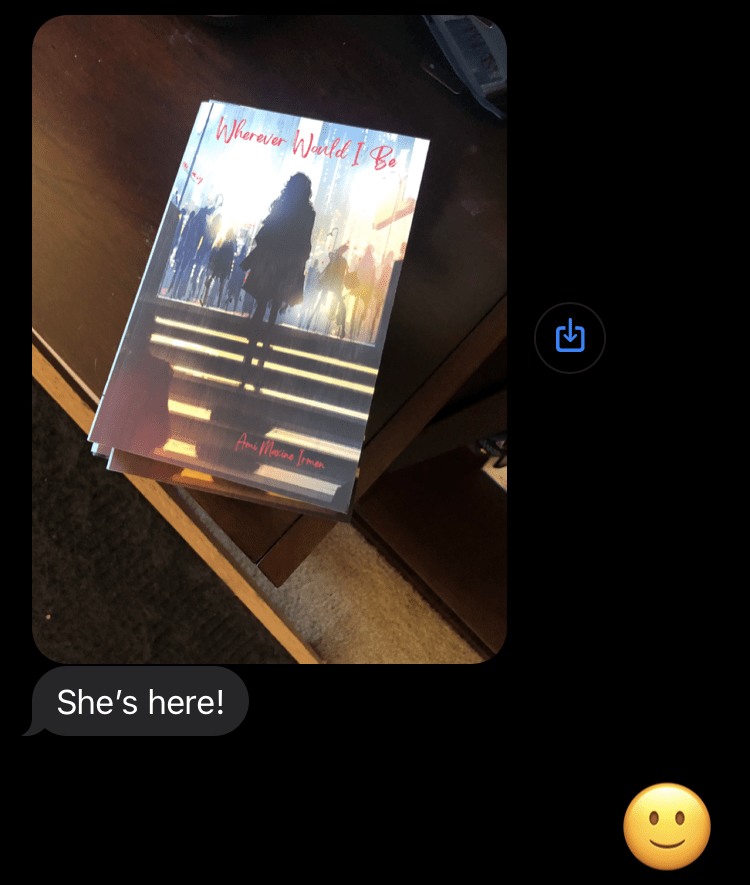
And so yesterday, I got to hold Lucy’s story in my hands. It’s been surreal, and the response has been hearth warming and supportive. I’m still in a bit of shock, to be honest. I’ve waited a long time for this.

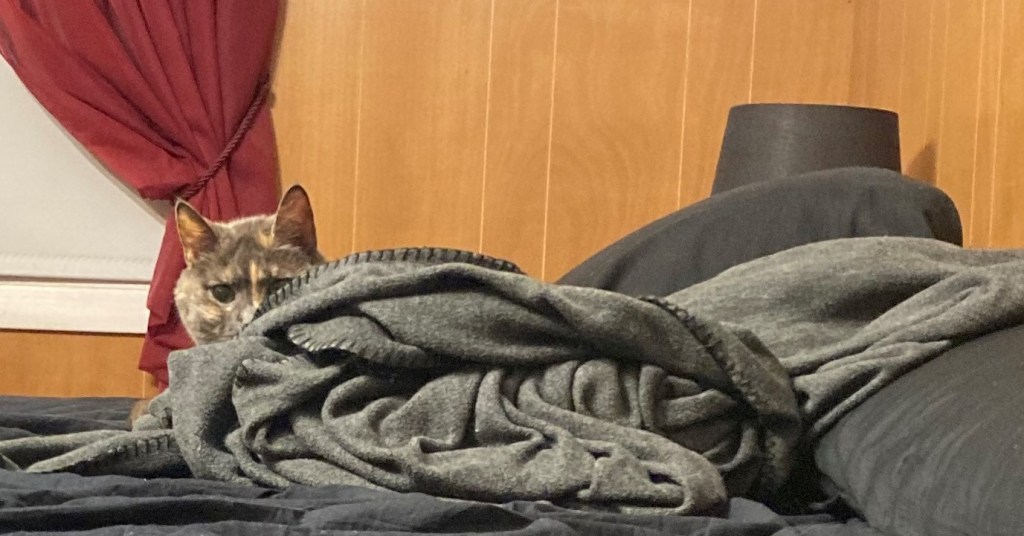
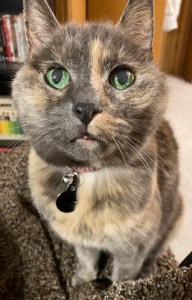
Shevy says, “This is mine now.”

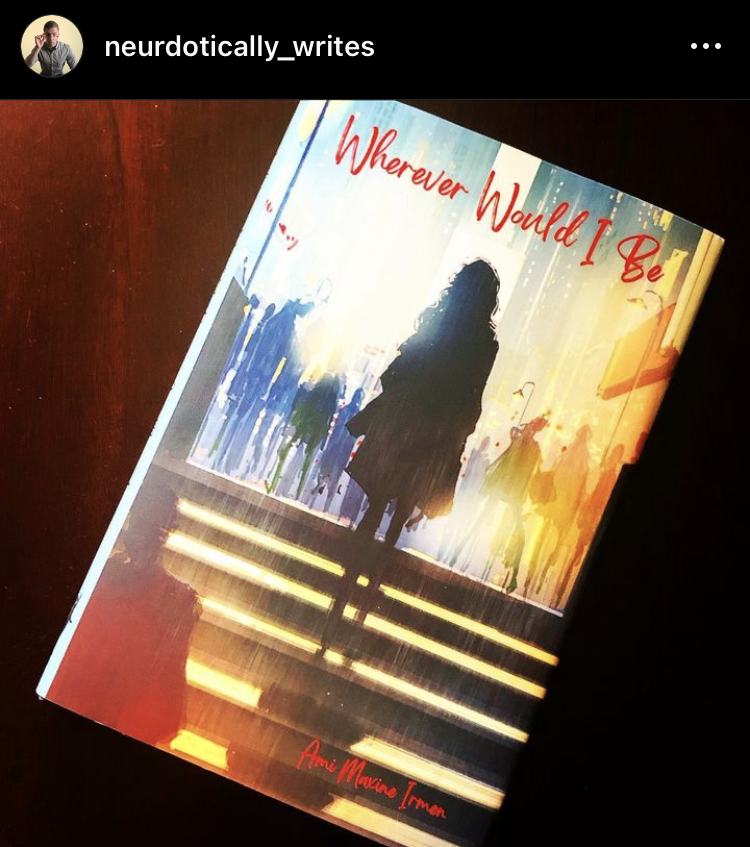
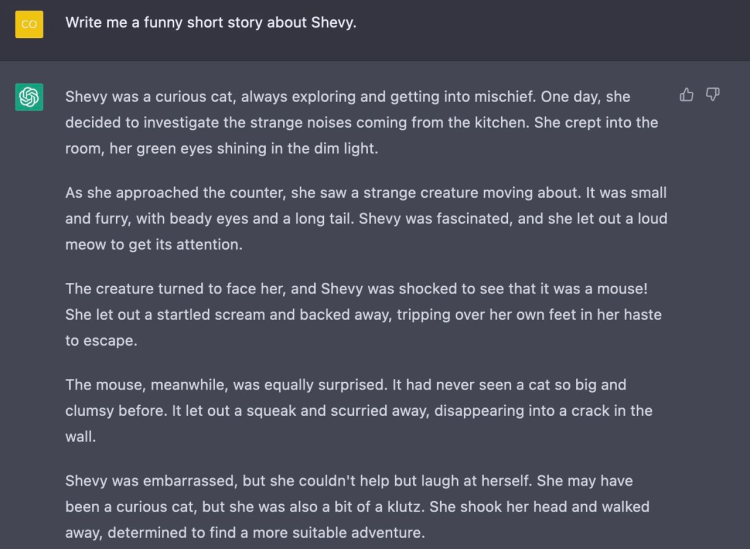
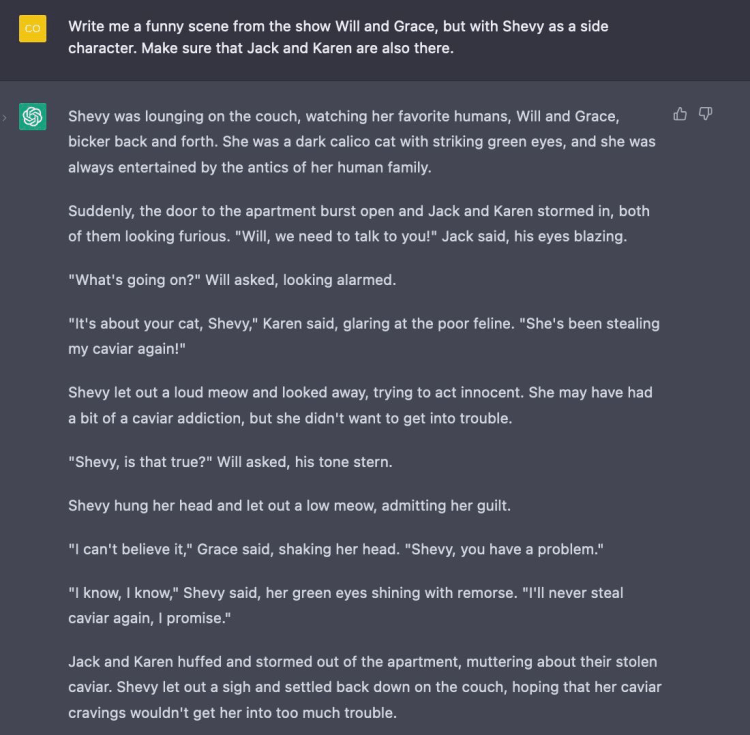
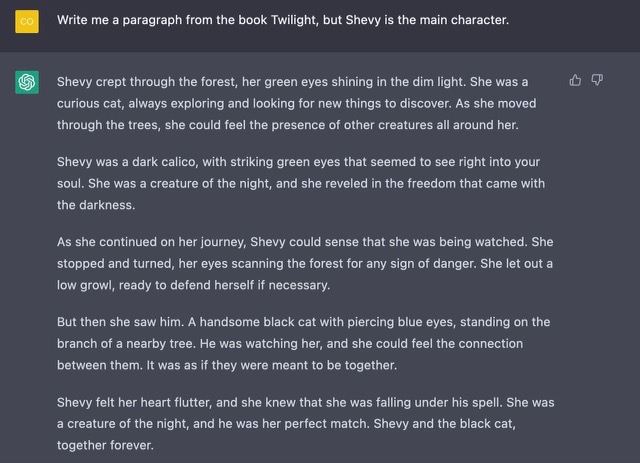
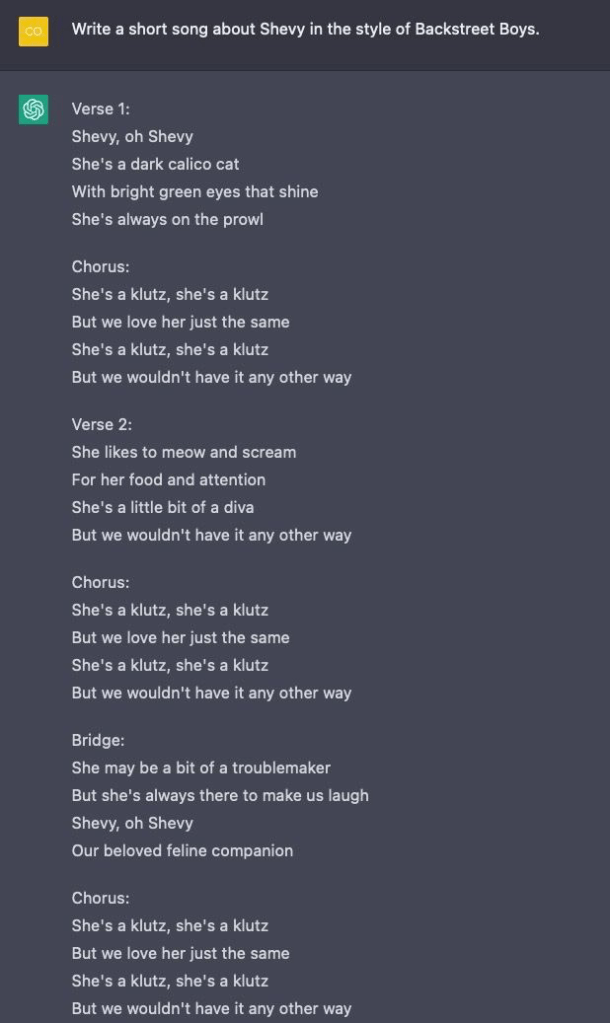
And then my cat promptly rubbed her cheeks all over it and declared it hers. I should have seen that coming…